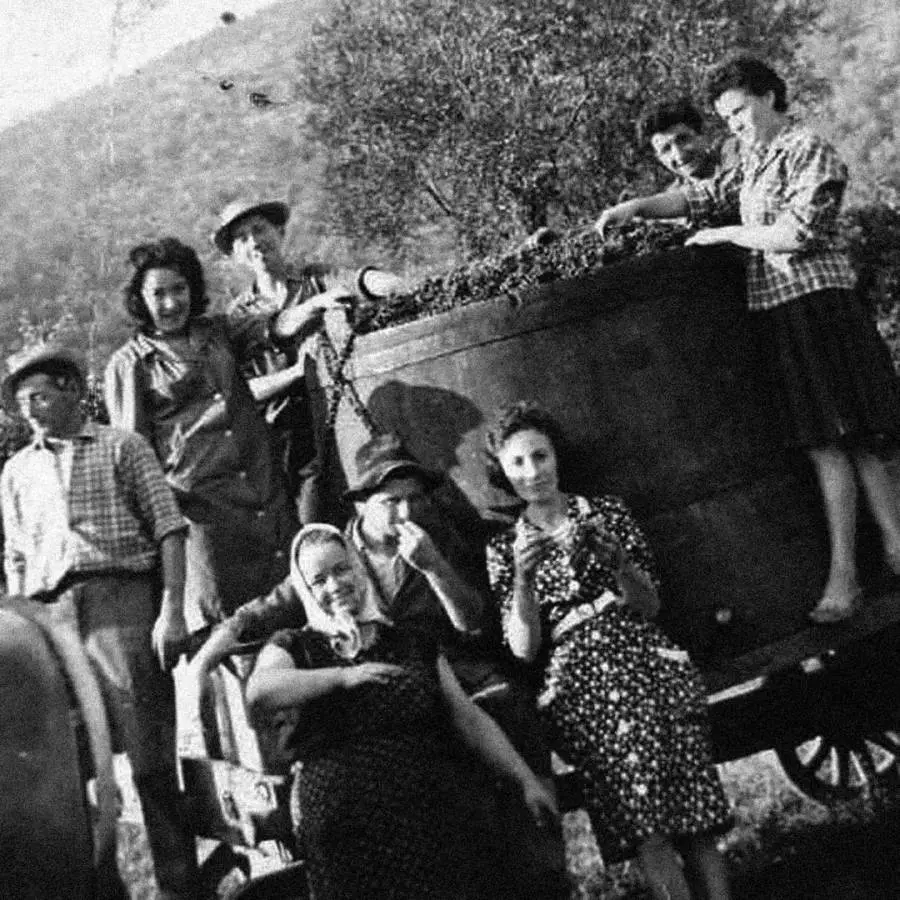
Every autumn, Italy’s vineyards come alive with the sounds of the vendemmia, the traditional grape harvest. Tractors move through the early-morning mist, crates fill with freshly picked grapes, and families, neighbours and seasonal workers gather among the vines before the weather changes.
In a country where wine is deeply woven into the culture, the harvest is much more than an agricultural event. It is a celebration of tradition, regional identity and the work that goes into every bottle.
So, how has the 2026 vendemmia unfolded? The early figures suggest a smaller Italian harvest this year, with encouraging reports about grape quality in several areas. But behind the numbers lies a more complex story of changing weather, vineyard management and a wine industry adapting to new challenges.
Italy’s 2026 Grape Harvest: The Numbers
According to preliminary estimates published by the European Commission on 8 October 2026, Italy is expected to produce approximately 41.1 million hectolitres of wine and must this year.
That represents a fall of around 7% compared with the approximately 44.4 million hectolitres recorded in 2025. Despite the decline, Italy is expected to remain Europe’s largest wine producer, ahead of Spain and France.
These figures are estimates rather than final production totals. Increasingly variable weather conditions can make harvest forecasts difficult, and the final picture will become clearer as the season progresses and more information becomes available from vineyards and wineries.
Nevertheless, the early numbers provide a useful snapshot of the conditions facing Italian wine producers in 2026.
Why Is Italy Producing Less Wine?
Two important factors have shaped this year’s harvest: challenging weather conditions and deliberate efforts to manage production.
Heat and Dry Weather
Hot, dry conditions have affected vineyards in several parts of Italy, contributing to an earlier harvest in some areas.
When temperatures rise and rainfall becomes scarce, grapes can ripen more quickly, while water stress may reduce berry size and overall yields. Producers must carefully monitor their vineyards to decide when to pick, balancing ripeness, acidity and the character they want to achieve in the finished wine.
The effects are not uniform across the country. Italy’s diverse landscapes, altitudes and regional climates mean that one vineyard may experience very different conditions from another, even within the same wine-producing region.
Balancing Production with Demand
Weather is only part of the story. Italian wine producers are also responding to substantial existing stocks and a market facing softer demand.
Industry figures indicate that wine inventories stood at approximately 42.6 million hectolitres at the end of July 2026, a volume greater than the expected production of this year’s harvest.
Against this backdrop, some industry groups have encouraged growers to limit yields and avoid adding unnecessary volumes to already well-stocked cellars.
Producing less wine is therefore not simply a response to the weather. For some producers, it is also a way to help bring supply into better balance with demand and protect the value of their wines.
What About Wine Quality in 2026?
A smaller harvest does not automatically mean better wine, but the early outlook offers reasons for optimism.
Lower yields can sometimes result in more concentrated fruit, although the final quality depends on many factors, including rainfall, temperatures, grape variety, vineyard conditions and the decisions made by individual winemakers.
Across Italy, the picture varies from region to region.
- Umbria: Hot, dry conditions have affected yields in some areas, with producers assessing the balance between reduced quantities and fruit quality.
- Campania: Conditions and production expectations vary across the region, highlighting the importance of local vineyard conditions.
- Marche and Abruzzo: Weather-related damage in some areas has added uncertainty to harvest expectations.
- Veneto and Prosecco country: An earlier harvest in some vineyards reflects the changing seasonal conditions, with quality and yields dependent on the individual growing area.
These differences are part of what makes Italian wine so fascinating. From the north to the south, each region brings its own grape varieties, landscapes and traditions to the bottle.
Ultimately, the true character of the 2026 vintage will emerge over the coming months as fermentation, ageing and blending shape the wines.
What Does the 2026 Harvest Mean for Wine Lovers?
For anyone who enjoys Italian wine, there is no immediate reason to assume that a smaller harvest will mean empty shelves.
Existing stocks remain substantial, and wines from previous vintages will continue to be available while the new wines are made and prepared for release.
The timing varies according to the style of wine. Some fresh, fruit-forward wines reach the market relatively quickly, while structured reds may spend months or years ageing in tanks, barrels or bottles before they are ready to drink.
In the meantime, autumn is an excellent opportunity to explore the character of Italy’s established wine regions, discover different grape varieties and find new favourites to enjoy with seasonal food.
At Gastronomica, we believe that discovering Italian wine is best enjoyed alongside the food and traditions that make it special.
From Our Shelves: Italian Wines to Enjoy This Autumn
The vendemmia is a wonderful excuse to open a bottle of Italian wine. From the structured reds of Piedmont to the sun-kissed flavours of Sicily, Italy offers a remarkable variety of wines to suit different occasions and dishes.
The following wines come from recent vintages rather than the 2026 harvest, but each offers a taste of the country’s rich winemaking heritage.
Piedmont: Elegant Reds with Character
Barbera d’Alba DOC 2024, Fontanafredda
Barbera is one of Piedmont’s most versatile red grapes, known for its bright acidity and lively fruit character. An excellent choice for relaxed meals, it pairs beautifully with cured meats, tomato-based pasta dishes and aged cheeses.
Langhe Nebbiolo DOC 2024, Fontanafredda
Nebbiolo is the celebrated grape behind Barolo and Barbaresco. In Langhe, it offers an approachable way to discover the variety’s distinctive structure and savoury character. Try it with mushroom dishes, roast meats or mature cheeses.
Dolcetto d’Alba DOC 2024, Fontanafredda
For something more relaxed, Dolcetto offers an appealing fruity style that works well with everyday Italian cooking. Pour a glass alongside a charcuterie board or enjoy it with a leisurely Sunday lunch.
Tuscany: The Heart of Italian Red Wine
Chianti Classico Monticello DOCG 2023, Colombaio
Tuscany and Sangiovese are a natural match. Chianti Classico is celebrated for its fresh acidity and food-friendly character, making it a wonderful companion for tomato-based pasta, grilled meats and traditional pecorino cheese.
Inno Rosso Toscano IGT 2021, La Certosa
For a taste of Tuscany, discover Inno Rosso Toscano IGT 2021 by La Certosa. Made entirely from Sangiovese, Tuscany’s signature red grape, this medium-bodied wine brings together fresh red-fruit flavours, floral notes and a juicy finish.
Its balanced acidity and approachable tannins make it a lovely partner for grilled meats, roast dishes and mature cheeses. It is a bottle to bring a little Tuscan character to the autumn table, whether you’re planning a relaxed supper or sharing a meal with friends.
Sicily: Sun-Kissed Flavours
Nero d’Avola DOC Sicilia 2024, Organic, Baglio di Grisi
Nero d’Avola is one of Sicily’s best-known red grapes. This organic wine offers a deep ruby colour, ripe black-cherry flavours, Mediterranean herbal notes and a touch of black pepper, supported by soft, supple tannins.
Its generous fruit character makes it an excellent match for salami, roasted vegetables, grilled meats and rich tomato-based pasta dishes.
Friuli Venezia Giulia: Fresh Whites for the Table
Ribolla Gialla, Attems DOC 2023
Fresh and lively, Ribolla Gialla is a wonderful introduction to the white wines of north-eastern Italy. Its crisp character makes it ideal for an aperitivo, fresh cheeses and seafood.
For a rounder style, Chardonnay is a versatile choice for the dinner table. Serve it with risotto, roast chicken or soft cheeses for an easy and satisfying pairing.
Explore our full selection of Italian red wines and discover more bottles to suit your table.
And to Eat with It: Italian Cheeses for the Autumn Table
In Italy, a glass of wine rarely needs to stand alone. A few slices of cured meat, freshly baked bread or a selection of good cheeses can turn a simple glass into a memorable occasion.
Cheese is particularly rewarding to pair with Italian wine because the salt, fat, texture and intensity of each cheese can bring out different qualities in the wine.
Here are four favourites to try with the bottles above.
Parmigiano Reggiano PDO, Matured for 24 Months
Discover Parmigiano Reggiano PDO, 24 Months Matured.
Nutty, savoury and full of those characteristic crunchy crystals, Parmigiano Reggiano is a classic choice for an Italian cheese board.
Its rich, savoury character works particularly well with the bright acidity of Barbera d’Alba and the fresh, food-friendly character of Chianti Classico.
Break the cheese into rough pieces rather than slicing it too thinly, allowing its texture and flavour to shine.
Grana Padano, Matured for 24 Months
Discover Grana Padano, 24 Months Matured.
Slightly milder and sweeter than Parmigiano Reggiano, Grana Padano is an easy favourite for sharing.
Its savoury depth makes it a good partner for the structure of Langhe Nebbiolo, while its approachable flavour also complements the fruitiness of Dolcetto d’Alba.
Serve it in small wedges alongside olives, bread and a handful of nuts for a simple aperitivo.
Gorgonzola Piccante
Bold, tangy and creamy, Gorgonzola Piccante brings plenty of personality to the cheese board. Its intensity calls for a wine with generous fruit character rather than something too delicate.
Try it with Nero d’Avola, whose ripe black-fruit flavours offer a pleasing contrast to the cheese’s savoury bite.
For an extra touch, serve the cheese with a little honey and a few walnuts.
Buffalo Mozzarella
Discover Buffalo Mozzarella, 125g.
Fresh, milky and delicate, buffalo mozzarella calls for a lighter touch. Pair it with the crisp character of Ribolla Gialla or the rounder style of Chardonnay.
For a simple autumn lunch, tear the mozzarella over ripe tomatoes, drizzle with good olive oil and finish with fresh basil. Sometimes the simplest Italian combinations are the most satisfying.
A tip for the cheese board: Take your cheeses out of the fridge around 30 minutes before serving, depending on the cheese and room temperature, so their aromas and textures can develop. Serve red wines slightly below typical room temperature, adjusting for the wine’s style.
A Glass to the Harvest
In Italy, autumn means the harvest, and the harvest means gathering around the table.
Every bottle tells part of a story: the grapes grown in a particular landscape, the conditions of the season and the decisions made by the people who tend the vines and craft the wine.
The 2026 vendemmia reminds us that Italian winemaking is constantly adapting to the changing climate and market conditions, while its regional traditions and connection with food remain at the heart of the experience.
Whether you’re pouring a Barbera alongside cured meats, enjoying a Nebbiolo with a mushroom risotto or sharing a Tuscan red with mature cheese, there is always something special about bringing Italian wine to the table.
At Gastronomica, we invite you to explore the flavours of Italy through our selection of wines and cheeses, and create your own little taste of Italy at home.